
You can’t really understand where we are going until you know where we have been. Maya Angelou.
For many years I have researched my ancestral past. Collating names, dates places and events.
Their experiences, struggles, and triumphs were very different to our present reality.
When we delve into their stories, we unearth the roots of our traditions, the origins of our values, and the reasons behind the paths our families have taken.
Knowing where we come from can illuminate where we’re going, helping us navigate challenges with the wisdom of those who came before us.
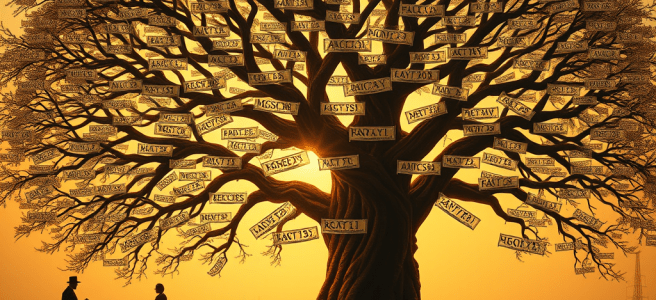
It reminds us that we are part of a continuous narrative, a living tapestry woven from generations of lives, and that their legacy continues to shape ours.
In my family research, I discovered a cluster of uncles, aunts, and cousins residing in the same suburb. However, we never had close family relationships with them. This prompted me to investigate the reasons behind this lack of connection.
My grandfather possessed a charismatic personality and was always eager to engage in conversations. Nevertheless, he held a strong conviction that everyone should adhere to his lifestyle, making him a dominant figure within our family.
One day, I overheard an individual expressing the belief that my grandfather was not religious and that the Catholic faith would not be tolerated within our family. This reasoning shocked me, as I held the belief that religion should not be a factor in family bonds and friendships.
Determined to unravel the mystery, I sought clarification from my father regarding my grandfather’s aversion to the Catholic faith. However, he responded with a shrug, stating, “I am unaware.” This response prompted me to delve deeper into our family history and unravel the underlying reasons for this situation.
My research led me to explore my paternal grandfather’s father, David, who was interred in the Anglican section of the cemetery. David and his wife, Lauretta, were married in a Church of England church, and their children were christened in the same church.
Moving back another generation, I discovered David’s father, also named David (for the sake of simplicity, we will refer to him as David Sr.), who married an Irish woman named Mary. Mary had immigrated to Australia from Ireland in 1865, and her shipping documents indicated her religious affiliation as Catholic. However, David and Mary exchanged vows in a Church of England church. As an infant, David Sr. was also christened in a Church of England church, along with all his siblings.
David Sr. and Mary had ten children. Of these children, I believe they were all baptised as Catholics as all who married did so in a Catholic church and were interred in a Catholic cemetery, with the exception of David Jr. and his youngest brother, George who are both interred in the Anglican section of the cemetery.
In this context, the separation of a family due to religious differences emerged. It is plausible that my t great-grandfather, David Jr., developed romantic feelings for a non-Catholic woman who was unwilling to alter her religious beliefs. David’s intense infatuation led him to abandon his own religion, resulting in a rift within the family.
It is deeply regrettable to consider that the selection of one’s lifelong partner was influenced by religious considerations. In making this observation, I must acknowledge that the world in which they lived four generations ago was vastly different from the contemporary reality we are accustomed to today.
As I reflect on this intricate tapestry of family history, I realise that understanding our roots is not merely an exercise in genealogy; it is a journey into empathy and appreciation for the complexities of human relationships. Each uncovering brings with it the weight of emotions and decisions made in a context far removed from our own. It serves as a poignant reminder that the threads of our lives—love, conflict, belief—are woven together in ways we often may not fully comprehend. By acknowledging these generational narratives, we not only honor our ancestors but also equip ourselves with greater understanding and resilience as we forge our own paths forward. Embracing this legacy allows us to build bridges where once there were divides, inviting healing and connection amidst a richly woven familial story.






 My Alcove